What Is Eliyahu Hanavi’s Role Before Moshiach?
Eliyahu Hanavi (Elijah the Prophet) comes to announce the Redemption, to make peace and to turn the hearts of parents and children back to G-d (Malachi 3:23–24). The Lubavitcher Rebbe, King Moshiach, taught that Eliyahu may already have come and seen the coming of Moshiach, and that only his announcement has not yet reached us.
What did the Rebbe teach about Eliyahu and the Redemption?
The Rebbe said Eliyahu may have already come, though his announcement has not yet reached us (18 Tammuz 5751).
On the 18th of Tammuz 5751, in the week of Parshas Pinchas, the Rebbe said:
“Our Sages identify Pinchas with Eliyahu, the prophet who will announce the redemption. It is possible that Eliyahu has already come and has seen the coming of the Mashiach, but that his announcement has not reached us as of yet.” (Sichos In English)
The Rebbe added that the final Redemption is unique. Earlier redemptions came in stages; this one will come in a complete and total manner, all at once.
Before Pesach that year the Rebbe blessed everyone: “May we immediately hear the shofar of Mashiach and before that, the voice of Eliyahu the prophet, telling us that Mashiach has already come.” He then quoted the Yalkut Shimoni: Moshiach will stand on the roof of the Beis Hamikdash and announce to the Jews, “Humble ones. The time for your redemption has come.” The Rebbe returned to this teaching again and again in 5751, as the signs that Moshiach is coming unfolded before the world.
What does the prophet Malachi say about Eliyahu?
Malachi foretold that G-d will send Eliyahu before the great day of G-d (Malachi 3:23).
“Behold, I will send you Elijah the prophet before the coming of the great and awesome day of G-d. He will turn the heart of the fathers to the children, and the heart of the children to their fathers” (Malachi 3:23–24).
The Mishnah teaches that Eliyahu comes “to make peace in the world” (Eduyos 8:7). The Rambam brings this in his laws of Moshiach: a prophet will come to set Israel right and prepare their hearts, and he comes only to bring peace (Hilchos Melachim 12:2). The Rambam adds that the exact order of these events will not be known until they happen, so a Jew should wait for Moshiach every day, as the Rambam’s laws of King Moshiach require.
Who was Eliyahu Hanavi?
Eliyahu Hanavi is the prophet of King Achav’s time who rose to Heaven alive (2 Kings 2:11).
Eliyahu fought idol worship and called the people back to G-d on Mount Carmel (1 Kings 18). He did not die but went up “in a whirlwind into heaven.” Our Sages identify him with Pinchas, the zealot of the Torah portion that bears his name (Yalkut Shimoni, Pinchas). The Zohar teaches that Eliyahu’s soul was created in the six days of creation, which is why he can return to announce the Redemption.
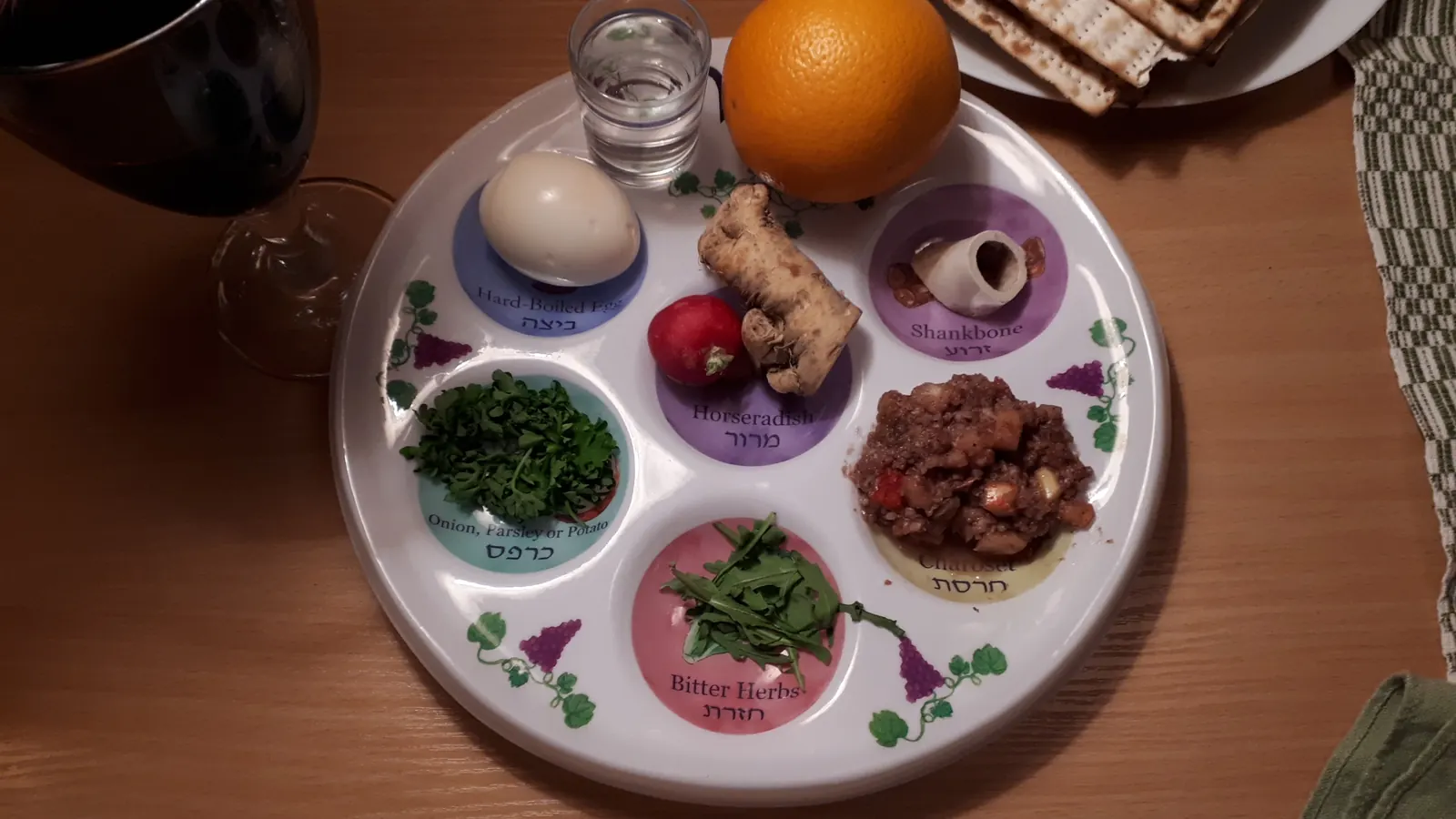
Eliyahu is present at every bris, witnessing the covenant of the Jewish people generation after generation. At the Seder we pour his cup and open the door.
Does Eliyahu come the day before Moshiach?
The Rebbe explained there is no consensus that Eliyahu must come the day before Moshiach (Eruvin 43b).
The Talmud discusses a person who vows to be a nazir “on the day the son of David comes.” He may not drink wine on any weekday, because Moshiach could come that day, but his vow does not take effect on Shabbos or Yom Tov (Eruvin 43b). The Rambam rules that the question of Moshiach coming on Shabbos remains in doubt (Hilchos Nezirus 4:11).
One reason offered is that Eliyahu must announce Moshiach a day earlier and would not disturb Friday’s Shabbos preparations. The Rebbe answered that it is not agreed that Eliyahu must come the day before. And after thousands of years of waiting, no one will mind if Eliyahu interrupts Shabbos preparations with such news. The main thing is that Moshiach come at the first possible moment (Igros Kodesh vol. 2, p. 233; Hisvaaduyos 5742, vol. 2, p. 674; Likkutei Sichos vol. 1, p. 272, as cited in Geulah Weekly). The Rambam’s rule stands: Moshiach can come any day.
Will Eliyahu anoint Moshiach and restore the Sanhedrin?
The Ramban writes that Eliyahu will anoint Moshiach, a view the Rebbe upholds.
“On the day that Elijah anoints Moshiach with the command of G-d,” the Ramban writes, “he will be called Moshiach.” The Rebbe teaches that Moshiach is called by this name because he is anointed with holy oil, so the very title connects with the meaning of the word Moshiach.
The Ridbaz suggests that Eliyahu, who received semichah in an unbroken chain from Moshe, will ordain the judges of the renewed Sanhedrin. The Talmud also says Eliyahu will appear before the High Court to announce Moshiach (Eruvin 43b). The Rebbe suggests that this may mean the highest Jewish court existing at that time (Likkutei Sichos vol. 9, p. 105, footnote 74).
How do our prayers and actions connect to Eliyahu?
The Rebbe linked the Mincha prayer to Eliyahu, the herald of the Redemption (Likkutei Sichos vol. 35, p. 130).
The Talmud teaches that a person should be careful with Mincha, “for Eliyahu was answered only at Mincha” (Berachos 6b). The Rebbe explains that this is why Mincha is bound up with Eliyahu, mevaser hageulah: it reflects the quality of the days of Moshiach, when physical existence will be refined to receive G-d’s light.
- Friday afternoon: we say Posach Eliyahu, composed by Eliyahu, “who will announce the Redemption” (Sichos In English, 10 Adar I 5752).
- Yaakov’s pledge: the name Yaakov is spelled with an extra vav five times, and Eliyahu’s without one five times. Our Sages explain that Yaakov took the letters as a pledge that Eliyahu will announce his children’s redemption (Sichos In English, Eve of Rosh Chodesh Kislev 5752).
- Teaching Torah: Elisha called his teacher Eliyahu “father” as he rose to Heaven. Through dedicated Torah teachers, the Rebbe says, we merit Eliyahu’s revelation (Likkutei Sichos vol. 9, p. 33).
Each of these is a way of welcoming Moshiach now, so that the announcement Eliyahu has prepared reaches us at once.